

Columnist Caitlin Moran: How I dug myself out of a midlife crisis and found hope again
Litter-picking, rewilding her garden and giving blood all helped, she reveals.

Caitlin Moran, the energetic and witty award-winning columnist and bestselling author who seems to be a glass-half-full type of person, woke up one morning in 2019 and realised she had reached the peak of despair.
She couldn’t cope with the endless barrage of rolling bad news, online toxicity, filthy rivers and litter-strewn streets and decided she wanted to move to a remote ramshackle old farmhouse in the Welsh countryside where she could walk an ancient 600-mile pathway and maybe even adopt a hawk.
She soon found that nothing in life goes quite as planned, discovering that her dream was just too expensive. She would have to find hope in things closer to home and made it her mission to feel less awful about the world.
Today, in her north London house, where she lives with her music journalist husband Pete Paphides and two daughters, Dora and Eaves, aged 25 and 22, she admits it was a mid-life crisis.
“Oh, 100%, I mean my midlife crisis and menopause coincided with everybody having a mid-civilisation crisis,” she reflects. “Everybody is hopeless and despairing at the moment. The future is f*****.
“It feels like it’s been going on for so long. I think there’s been this feeling which I certainly had, which was that at some point things will go back to normal. But we’re 10 years into this and things aren’t going to go back to normal.”
A lifetime of anxiety, as well as being perimenopausal and unable to sleep, just exacerbated her despair.

She realised, though, that offloading this doom and gloom on to the younger generation would not benefit anyone and was irresponsible as a parent. The least the older generation should be doing is giving the Gen Z-ers the tools to deal with this new age, she says now.
Moran, 51, author of the groundbreaking feminist memoir How To Be A Woman and a raft of other bestselling titles including How To Build A Girl, which was made into a 2020 movie, has now written How To Be Hopeful, in which she charts the year she spent trying to escape this pit of despair and feel less awful about the world.
As with so much of her writing, Moran can see the funny side of bleak but manages to get across the message that if you can take control of your own little patch of this earth, avoid doomscrolling, take your headphones off and start listening to people who are within earshot, you may start to feel better.
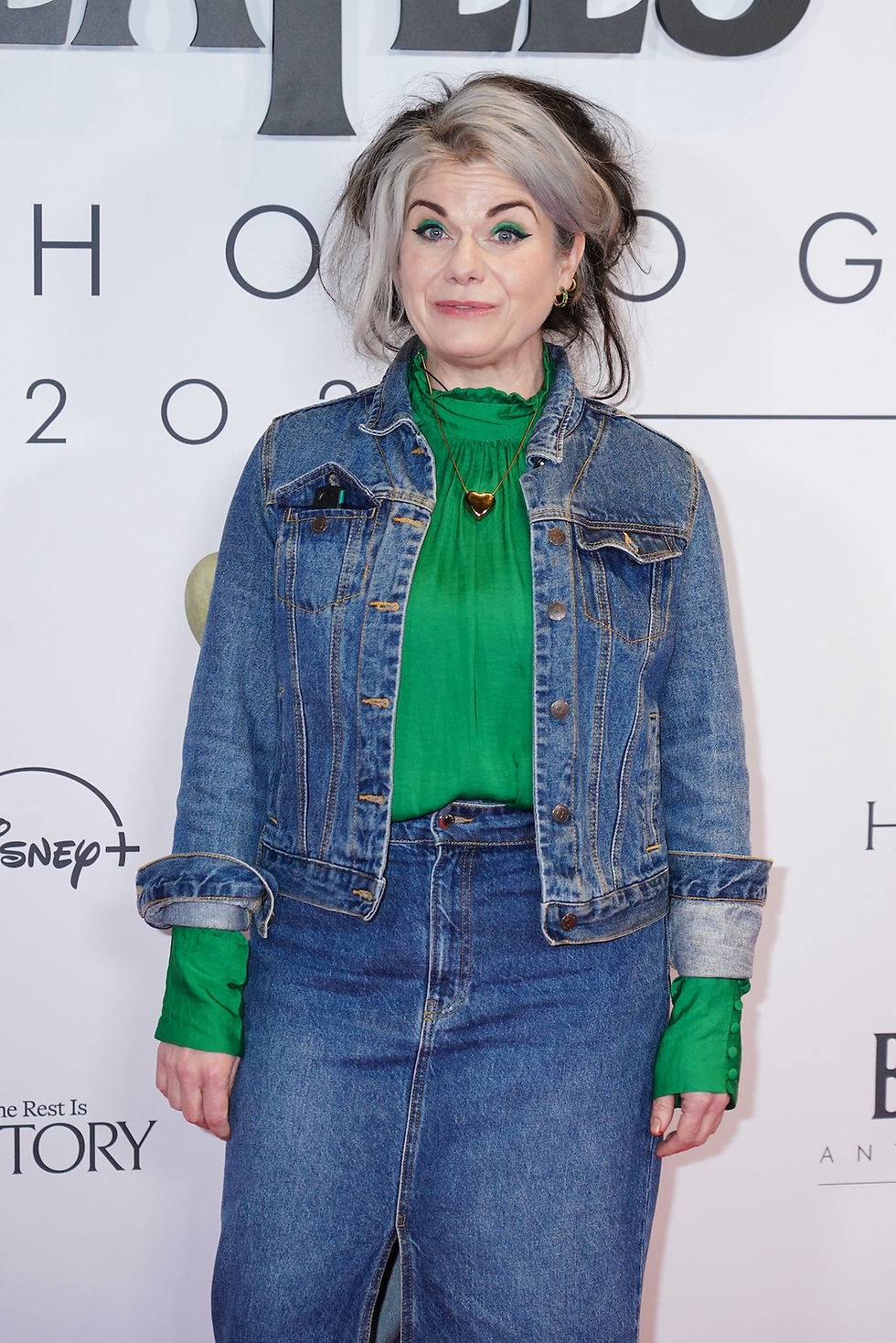
She took up litter-picking in her road in north London, at first somewhat frantically, but gradually as the street accumulated less rubbish she felt satisfied at not having to do it quite as often.
Giving blood was another thing that improved her mood, with the thought that she was doing good, and she rewilded her previously neat garden into a haven for wildlife, butterflies and bees, which gave her hope for the future.
Just limiting herself to reading the Sunday papers instead of following every news bulletin and discussion programme about bad things happening in the world, and coming off social media was another way of making her feel better about her life.
“Everybody hates social media. Everybody says it drives them mad. OK, you need to take charge of that. You either need to change your algorithm and take control of it or just come off it completely.
“I notice so many young people are just coming off social media now. Both my kids have bought brick phones now and all their friends have. It’s not working for us. It’s made the world a palpably worse place. Let’s find a different way.”
Moran learned to be strict with social media in 2009 when, in the early days of online chat rooms, she clicked on a link and saw a man being murdered by a teenage boy. It shook her to the core.
Today, she is only on Bluesky and Instagram, and says there needs to be something new, a return to the days when social media was more positive.
She writes at length about her anxiety, which she has had since she was a young teenager. “Thankfully, I have now cured myself a bit, touch wood,” she reveals today.
Slowly, she found tools that worked for her.
“I had been my own worst enemy because I was quite proud of being anxious. I was like, ‘The clever people are anxious, the wise people are anxious’. It was a bit of a badge of honour.”
Her doctor prescribed beta blockers, which she took every time she felt a surge of anxiety and within a month, her adrenaline was tamed and her body forgot to be anxious, she says now.
She gave up smoking but instead just took deep breaths without her prop of cigarettes.
“Invisible smoking is what I call it now. I go outside and allow myself to take a deep breath rather than lighting up a cigarette.”
Her anxiety had also been induced by the feeling of powerlessness, experiencing eco-grief. But her garden has given her control and hope that creatures can visit, drink, breed and live. And she’s recently started a podcast with garden designer Adam Frost, filmed in her garden, called Outsiding.
“I can’t save the Amazon rainforest, but I can have peregrine falcons in my back garden. That’s a win.”
She observes in the book that her daughters have inherited her tendency towards anxiety and she blames herself, because she would veer towards the attitude that it takes an anxious woman to get something done.
“That’s a really bad system to set them up with, and to not constantly be talking about how awful things were. My generation is really doing the next generation a disservice by constantly going on about how bad things are.”
Moran now looks at the good things to look forward to – advances in medicine and technology, that we will become fans of those who are making the world a better place.
“Part of (the reason for) writing the book was to go, ‘Can we shift our mindset so that we start focusing on what is good?’ because this isn’t the worst time to be alive. The streets are not riddled with plague.”
Her two daughters still live at home and her family has changed the way they talk about the future, she says, focusing on the good people do in the world, the miracles that are happening in terms of technology and other hopeful, positive musings.
“That’s what we’ve done in this house and they have changed the way that they talk about the future.”
“Nothing has materially changed in our house since the point where I was having a complete nervous breakdown and thought that I had to take my family to go and live in the mountains,” she continues.
“I have just changed the way that I look at my life and how I use my minutes and my days and my language and how I choose which thoughts I want to pursue.”

How To Be Hopeful by Caitlin Moran is published by Ebury Press on September 17, priced £22.




.png)